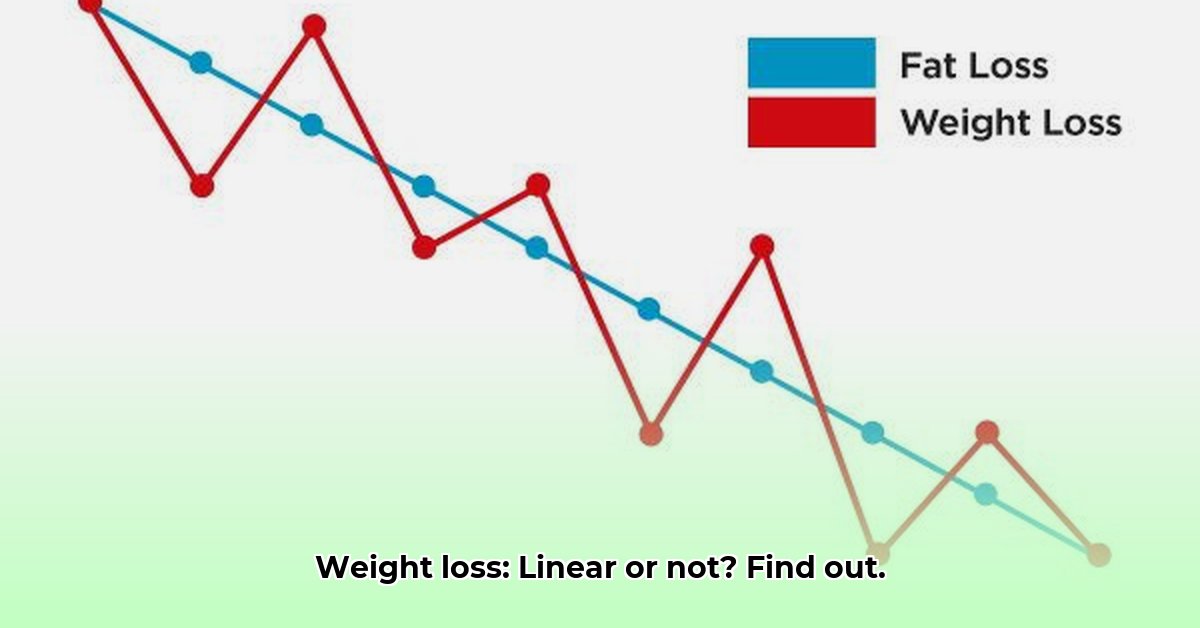
Tired of the weight loss rollercoaster? Seeing the scale fluctuate even when you're eating healthy and exercising? You're not alone. Weight loss is rarely a straight line; it's a journey with ups and downs. This comprehensive guide will help you understand why, providing practical tools to track your progress beyond the daily weigh-in and focusing on a more holistic approach. We'll explore the science behind those frustrating fluctuations and provide a clear plan for sustainable weight loss. Let's ditch the frustration and build a plan that actually works for you.
Understanding the Non-Linearity of Weight Loss
Most people envision weight loss as a steady decline. Lose a pound a week, and you reach your goal! But reality is far more nuanced. Weight fluctuates due to various factors beyond simple calorie deficit. Water retention alone can cause daily variations, and hormonal shifts (especially in women) significantly impact the scale’s reading. Even stress levels can influence that number. This isn't failure—it's your body's natural response. Obsessing over daily weight can be intensely discouraging, regardless of your actual progress.
The Science of Weight Fluctuation
Dr. Emily Carter, PhD, Registered Dietitian at the University of California, Berkeley, explains, "Weight loss is a complex process affected by numerous physiological factors beyond just calories in versus calories out. Water retention, hormonal changes, and even gut microbiome fluctuations contribute to daily weight variations." Understanding this is crucial for maintaining motivation. Focusing solely on the scale often leads to feelings of inadequacy, even when making considerable progress.
Ditch the Scale: A Holistic Approach to Tracking Progress
Focusing solely on the scale is a recipe for disappointment. Instead of letting daily fluctuations dictate your emotional state, adopt a broader perspective. Consider these more insightful, rewarding ways to track your progress:
Measuring Inches: Use a tape measure to track changes in your waist, hips, and thighs. Decreasing circumference is a strong indicator of fat loss, even if the scale doesn't show significant changes.
Progress Photos: Take weekly or bi-weekly photos in the same outfit and lighting. These visual records often reveal dramatic transformations that might be missed in the mirror or on the scale.
Clothing Fit: Does your clothing feel looser? This is a powerful, tangible indicator of success and a great motivational boost.
Energy Levels: How's your energy? Increased stamina and improved overall fitness are significant signs of progress, regardless of the number on the scale.
Tracking Methods: A Comparative Review
Numerous methods can help you monitor progress. Let's explore some popular options, weighing their pros and cons:
| Method | Pros | Cons |
|---|---|---|
| Bathroom Scale | Inexpensive, readily available, simple to use | Daily fluctuations can be demotivating; only measures total weight, not composition |
| Measuring Tape | Inexpensive, focuses on specific areas of fat loss | Requires consistent technique; might not reveal overall body composition |
| 3D Body Scanning | Highly precise measurements of body composition | Can be expensive; availability may be limited |
| Wearable Fitness Trackers | Tracks activity, estimates calories burned, monitors sleep | Accuracy varies; can be expensive; data privacy concerns |
Ultimately, the best method depends on your preferences and budget. Combining approaches often provides the most complete picture. For example, using a tape measure and progress photos provides both data and visual cues, offering a well-rounded perspective.
Actionable Steps for Sustainable Weight Loss
Sustainable weight loss is about building healthy habits, not just shedding pounds quickly. Here's a step-by-step guide:
Set Realistic Goals: Aim for gradual, sustainable change. Small wins build momentum and prevent discouragement.
Embrace Non-Linearity: Weight loss isn't always linear. Plateaus and fluctuations are normal. Don't let setbacks derail your progress.
Diversify Your Tracking: Combine methods to gain a comprehensive understanding of your progress. Use the scale, tape measure, photos, and pay attention to increased energy levels and improved fitness.
Prioritize Healthy Habits: Focus on building sustainable lifestyle changes. This includes balanced nutrition, regular exercise, and effective stress management.
Be Patient and Persistent: Weight loss is a marathon, not a sprint. Consistent effort leads to long-term results.
How to Track Weight Loss Without Daily Weigh-In Frustration
The key to avoiding scale-related frustration is shifting your focus to a holistic approach. Instead of obsessing about daily numbers, consider these alternative strategies:
Track Measurements: Regularly measure your waist, hips, thighs, and arms.
Body Composition Analyses: Consider body composition scales or professional body scans to track fat percentage, muscle mass, and bone density.
Progress Photos: Take consistent photos in the same lighting and outfit.
Journaling: Log your food intake and exercise to identify patterns and improve accountability.
Weekly Weigh-ins: Instead of daily weigh-ins, opt for weekly check-ins.
Listen to Your Body: Pay attention to how your clothes fit, your energy levels, and your overall well-being.
Remember, weight loss is a personal journey. Experiment with different methods to find what works best for you. Celebrate your successes, and focus on the bigger picture: building a healthier, happier you.